01
The challenge
Most ecommerce reporting creates visibility, but not momentum. Dashboards show revenue, orders, conversion rate, sessions, product performance, and channel data. A human still has to find the story, decide what matters, write the update, and turn the insight into work.
That human gap is where reports go stale. A founder or operator might know something changed, but still lack the time and focus to convert the signal into a prioritised action.
Tessera's opportunity was to remove that dependency. The client did not just need a better report. They needed an autonomous system that could read the month, explain what mattered, and push the best next actions into delivery.
System effect:The goal was not to make reporting easier for a human. The goal was to let an AI growth agent do the reporting work automatically.
02
The innovation
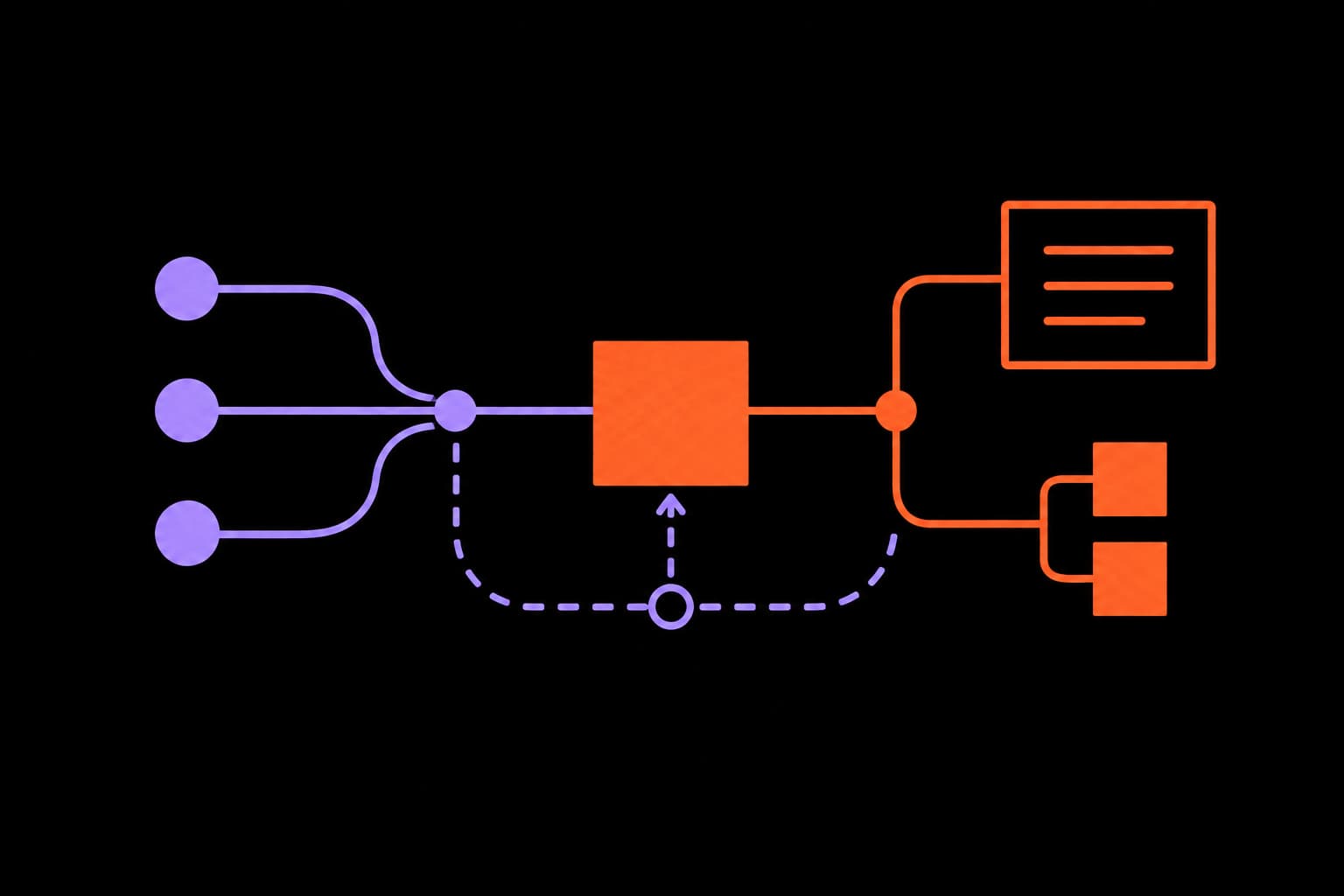
Tessera deployed a custom agentic reporting workflow: a structured AI system that can run on a cadence, inspect ecommerce data, reason through commercial performance, generate polished outputs, and create implementation tasks without someone manually stepping through the process.
The agent is designed around four operating questions:
- What changed?
- Why does it matter commercially?
- What should happen next?
- What should move into Tessera's delivery backlog?
Those questions turn the agent from a report generator into an operating layer. It does not simply summarise data. It interprets performance, selects the strongest opportunities, and prepares the work needed to act on them.
Tessera also keeps the right human judgment in the loop. The agent handles the repeatable analysis, writing, exporting, and task creation; Tessera reviews the commercial logic, prioritises the recommendations, and decides what should move into client communication or implementation.
Traditional reporting
A person opens dashboards, looks for patterns, writes a summary, sends the client an update, and hopes the recommendations become tasks later.
Tessera agentic reporting
An AI agent runs the operating cycle automatically: analysis, report, PDF export, client-ready communication, and backlog task creation, with Tessera reviewing what becomes client-facing work.
03
How the autonomous agent works
It analyses the previous month
The agent reviews the previous full calendar month and compares performance across key ecommerce metrics. The emphasis is not on metric narration. It is on interpretation: what changed, what likely drove the change, and what matters enough to act on.
It writes the growth report
The agent generates a structured monthly growth report with a clear executive summary, commercial interpretation, and recommended next actions. The report is written for an ecommerce owner/operator, not an analytics team.
It exports the client-ready PDF
After the report is generated, the automation exports a PDF and verifies that the file exists. This gives Tessera a polished client-facing deliverable that can be sent directly or reviewed in a client meeting.
It drafts the client communication
The agent prepares the client communication for the monthly report: the attachment, the commercial headline, the key findings, and the recommended next action. Tessera can review and approve the message before it is sent, so clients get autonomous speed without handing commercial judgment to an unchecked script.
It creates delivery tasks for the strongest recommendations
The agent creates tasks for the top recommendations only: defaulting to three and never exceeding five per month. Each task includes the source report month, the evidence behind the recommendation, the expected commercial impact, the suggested first implementation step, and a validation note before implementation.
It also checks for duplicate open tasks before creating new ones, so the backlog does not fill with repeated or low-quality ideas.
04
What runs without manual effort
The automation turns a monthly reporting obligation into a self-running growth loop:
- Review the month's ecommerce performance.
- Identify the highest-impact opportunities.
- Package findings into a client-ready report.
- Export the report as a PDF.
- Draft the client communication.
- Create backlog tasks from the best recommendations.
- Review next month whether the recommendations translated into action.
That changes Tessera's role. Instead of acting only as an implementation partner, Tessera becomes a growth operations layer: deploying digital analysts that monitor the business, surface opportunities, and keep execution moving.
System effect:The agent turns reporting from a monthly human chore into always-on operating infrastructure.
05
Why it matters
For ecommerce businesses, the hard part is rarely access to dashboards. The hard part is converting signals into action at a consistent cadence.
A dashboard can show that conversion rate dropped. A human consultant can investigate when they have time. An autonomous growth agent can make the operating rhythm persistent: analyse, explain, recommend, create tasks, and repeat.
That is the difference between passive reporting and agentic growth operations.
System effect:Tessera uses AI agents to turn ecommerce data into a repeatable growth loop: report, recommendation, task, implementation, review.
06
Commercial value
This system supports a more valuable ecommerce retainer because it combines automation, analysis, and implementation momentum.
The offer is not simply:
“We will send you a monthly report.”
The stronger offer is:
“We will deploy an AI growth agent that reviews store performance every month, identifies the highest-impact opportunities, sends a clear report, and turns the best recommendations into delivery-ready tasks.”
That is harder to compare against an hourly analyst, easier to understand as retained value, and more directly tied to the commercial outcome clients actually care about: useful work moving into implementation.
Ready to deploy an AI growth agent?
If your ecommerce reports explain the past but do not create the next task, the operating loop is incomplete. Continue toPart 2: Autonomous AI execution agent.