01
The gap after autonomous reporting
An autonomous reporting agent can identify what changed, explain why it matters, and create the right backlog tasks. But if those tasks still depend on a human to remember, sort, scope, assign, check, and close them, the operating loop is only half automated.
The next innovation is an autonomous execution layer: a system that takes the agent-created tasks from the backlog and keeps the work moving until it is either completed, reviewed, or consciously deprioritised.
System effect:The reporting agent finds the opportunity. The execution agent turns it into shipped improvement.
02
The innovation
Tessera extends the reporting agent into an agentic delivery system. Instead of leaving recommendations as passive tickets, the execution agent reads the backlog, checks the commercial context, removes duplicates, scopes the next step, and prepares the work needed for implementation.
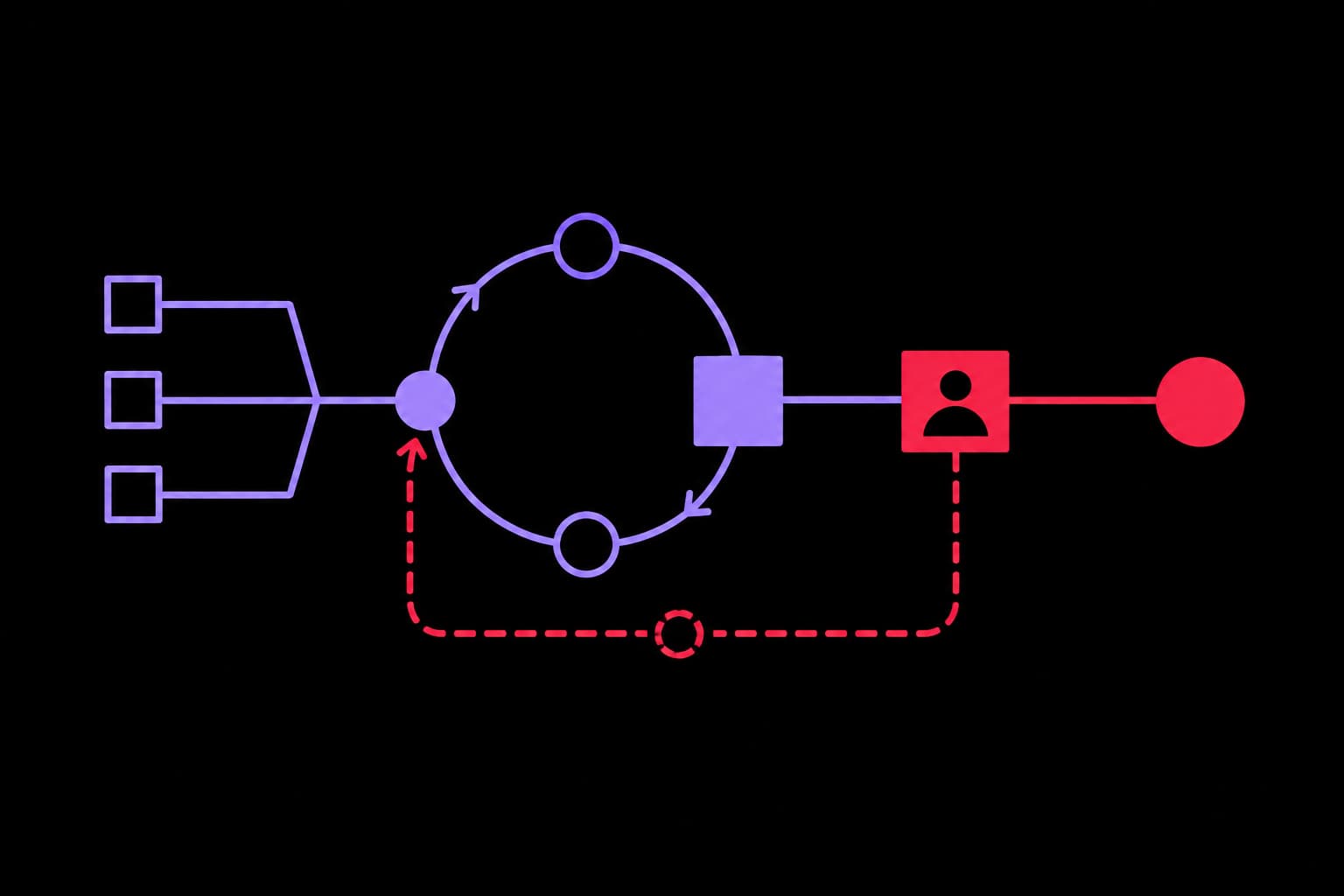
It is designed around six operating moves:
- Read the agent-created backlog task and source evidence.
- Triage it against impact, effort, risk, and dependencies.
- Promote high-signal work into execution.
- Prepare or implement the change at machine speed.
- Route judgment calls to Tessera or the client.
- Review the result and close the loop.
The agent handles the repeatable coordination work. Tessera keeps the commercial judgment layer: what deserves priority, what needs approval, and what should not be shipped without a human decision.
Traditional backlog management
A person reads the report, copies recommendations into tickets, manually cleans the backlog, chases context, and hopes the work eventually makes it through review.
Tessera agentic execution
An AI execution agent carries the work from backlog to review: triage, scoping, implementation prep, QA notes, escalation, and done-state documentation.
03
How the execution agent works
It captures the work with commercial context
The reporting agent creates a short list of tasks, not an unlimited idea dump. The execution agent preserves the source month, supporting evidence, expected commercial impact, suggested first step, and validation note so the work never becomes detached from the reason it exists.
It triages the backlog automatically
The agent checks for duplicates, unclear scope, weak evidence, hidden dependencies, and likely return. Low-quality or repeated tasks are merged, parked, or closed. High-signal tasks are refined into executable work.
If the system hits ambiguity, it does not pretend certainty. It pauses and asks for human judgment before changing priority, expanding scope, or pushing client-facing work forward.
It prepares execution work
Once a task is promoted, the agent can prepare copy, update merchandising instructions, draft implementation plans, open code changes, produce QA notes, or assemble the evidence needed for a client approval.
The goal is not blind automation. The goal is autonomous momentum: removing the coordination drag between “we should do this” and “this is ready to review.”
It routes judgment calls to humans
The agent knows which work can move at machine speed and which work needs a person. Brand-sensitive changes, commercial trade offs, client approvals, ambiguous evidence, and scope changes are routed to Tessera or the client before implementation continues.
It reviews and documents the done state
Review is anchored to the task's original commercial reason. Did the work address the issue from the report? Is the change safe? Does it need client approval? Is there a measurable follow-up for next month?
A task is done when the implementation is complete, the review notes are captured, and the next reporting cycle can evaluate whether the change contributed to the intended outcome.
04
Autonomous speed, human judgment
The system is autonomous by default, but not unsupervised. It can sort, scope, draft, implement, check, and report. It asks for human input when the work requires judgment rather than execution.
Examples include:
- Choosing between two commercially valid priorities.
- Approving client-facing copy or brand-sensitive changes.
- Deciding whether a recommendation is worth the effort now.
- Resolving scope changes, risk, or ambiguous evidence.
That keeps the operator in control without forcing them to carry every admin step in the delivery process.
System effect:Humans make the judgment calls. The agent carries the workflow around them.
05
Why this matters commercially
Ecommerce operators do not need more disconnected observations. They need a reliable way to turn observations into executed improvements without adding another coordination burden.
This changes the value of the monthly retainer. Tessera is not only sending a report or waiting for ad hoc tickets. Tessera is deploying digital operators that convert store signals into prioritised work, implementation, review, and learning.
That is a stronger commercial promise: every month, the store is analysed, the best opportunities enter an autonomous delivery system, and the work keeps moving until it is either done or consciously deprioritised.
06
The complete agentic operating system
Together, the reporting agent and the execution agent form one operating system:
- Analyse ecommerce performance automatically.
- Produce a client-ready growth report.
- Create a focused set of recommended tasks.
- Triage the backlog for commercial priority.
- Execute or prepare the work autonomously where possible.
- Bring in humans where judgment is required.
- Review the result and feed learning into the next cycle.
System effect:Tessera turns reporting and delivery into AI operating infrastructure: agent-created insight, agent-driven execution, and human judgment at the moments that matter.
Ready to deploy an AI execution agent?
If your backlog is full of good ideas but weak follow-through, the execution agent is the missing operating layer.